Ready to talk?
Get in touch

Mold in Vacant Miami Homes: Hidden Dangers and Prevention
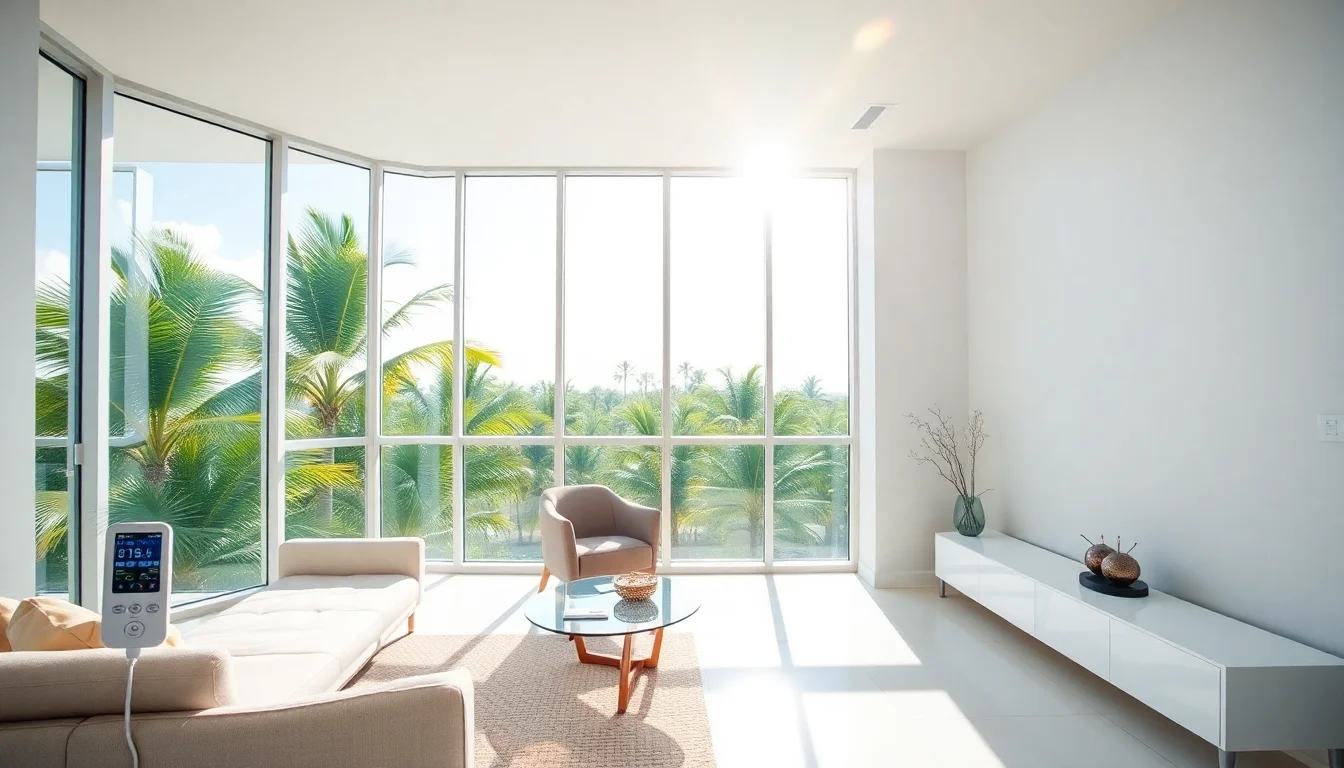

Studies show that mold in vacant Miami homes develops 65% faster than in occupied properties due to Miami's year-round humidity and lack of active air circulation. Without regular monitoring, a small moisture issue can become a $10,000+ remediation disaster within weeks.
Miami's tropical climate creates the perfect storm for mold growth when properties sit empty. High humidity levels, frequent rain, and temperatures that rarely drop below 70°F provide ideal conditions for mold spores to flourish unchecked.
The financial and health consequences of ignoring mold prevention in vacant homes extend far beyond simple cleaning costs. Understanding these risks is essential for protecting your investment and ensuring your property remains safe for future occupancy.
Occupied homes naturally combat mold through daily activities that reduce humidity and promote air circulation. Vacant properties lack these built-in defenses, creating environments where mold thrives undetected.
Miami's average humidity levels hover between 70-80% year-round, according to the National Weather Service. When air conditioning systems are turned off or set to minimal operation, indoor humidity can spike to 90% or higher during summer months.
Without regular door opening, window operation, or human activity to circulate air, stagnant conditions develop quickly. Water vapor from small leaks, condensation, or even normal building materials cannot escape, creating pockets of moisture where mold colonies establish and spread.
Professional mold remediation in Miami luxury homes typically ranges from $3,000 to $15,000, depending on the extent of contamination. However, these costs represent only the immediate remediation expenses, not the full financial impact.
Property value can decrease by 3-23% when mold issues become public knowledge through disclosure requirements. Insurance claims related to mold damage often face scrutiny, and some policies exclude mold coverage entirely unless it results from a covered peril.
The EPA estimates that mold remediation projects frequently uncover additional structural damage, increasing costs by 40-60% beyond initial estimates. Drywall replacement, flooring removal, and HVAC system cleaning add substantial expenses to what initially appears to be a surface-level problem.
Mold exposure poses serious health risks, particularly for individuals with respiratory conditions, allergies, or compromised immune systems. Even after professional remediation, some occupants report persistent symptoms if the underlying moisture problem wasn't completely resolved.
Common health effects include respiratory irritation, persistent coughing, eye and skin irritation, and fatigue. More severe reactions can occur with prolonged exposure or in sensitive individuals, including chronic sinusitis and exacerbation of asthma symptoms.
Legal liability becomes a concern when property owners fail to disclose known mold issues to tenants or buyers. Florida law requires disclosure of material defects, and mold contamination often falls under this requirement, potentially leading to costly legal disputes.
Effective mold prevention requires consistent monitoring and proactive intervention before problems develop. Professional mold and humidity monitoring services use calibrated equipment to track conditions and identify risk factors early.
Key prevention measures include:
Professional services maintain detailed records that prove due diligence in property care, valuable documentation for insurance claims or legal proceedings. This systematic approach catches problems at the earliest stages when solutions are simple and inexpensive.
Maintaining proper climate control in vacant Miami homes requires balancing energy costs with mold prevention. Setting air conditioning to maintain 60-65% humidity levels provides effective mold prevention while managing utility expenses reasonably.
Dehumidification systems offer an energy-efficient alternative to continuous air conditioning operation. Whole-house dehumidifiers can maintain optimal humidity levels at lower operating costs than traditional HVAC systems running constantly.
Regular air circulation prevents stagnant conditions even when climate control systems operate minimally. Professional home watch services ensure systems operate properly and make adjustments based on seasonal conditions and weather patterns.
Early mold indicators often go unnoticed until contamination reaches advanced stages. Musty odors, even faint ones, signal active mold growth somewhere in the property. Visual inspection alone misses mold growing behind walls, under flooring, or in HVAC ductwork.
Condensation patterns on windows, walls, or around air conditioning vents indicate humidity problems that create mold-friendly conditions. Water stains, even small ones, suggest moisture intrusion that requires investigation and monitoring.
Changes in indoor air quality, increased dust accumulation, or persistent dampness feelings indicate environmental conditions that support mold growth. Professional assessment can identify these subtle changes before they become obvious problems requiring extensive remediation.
Comprehensive property protection combines mold prevention with other essential services for vacant homes. Vendor management ensures prompt response to maintenance issues that could create moisture problems, while regular inspections catch developing problems early.
Seasonal considerations play a crucial role in Miami mold prevention. Hurricane season brings increased moisture risks, while winter months with reduced air conditioning use can create different humidity challenges. Professional monitoring adapts to these seasonal patterns.
Arrival and departure management includes environmental assessment to ensure properties are safe and comfortable for occupancy. This service catches any mold issues that might have developed between visits, protecting both property owners and their guests from exposure risks.
Mold can begin growing within 24-48 hours in Miami's humid conditions when moisture is present. Visible colonies typically develop within 3-7 days, making early detection crucial for prevention.
Maintaining indoor humidity below 60% effectively prevents most mold growth. Professional monitoring ensures levels stay within this safe range even during Miami's humid summer months.
Yes, HVAC systems are common mold growth locations due to condensation and dust accumulation. Regular system operation and professional inspection prevent contamination of ductwork and air handlers.
Professional mold remediation typically costs $3,000-$15,000 depending on contamination extent. Prevention through monitoring and early intervention costs significantly less than remediation.
Coverage varies by policy, but many insurers exclude mold damage unless it results from a covered peril like burst pipes. Preventive monitoring demonstrates due diligence and may support coverage claims.