Ready to talk?
Get in touch

Miami Hurricane Season Checklist for Second Home Owners 2026
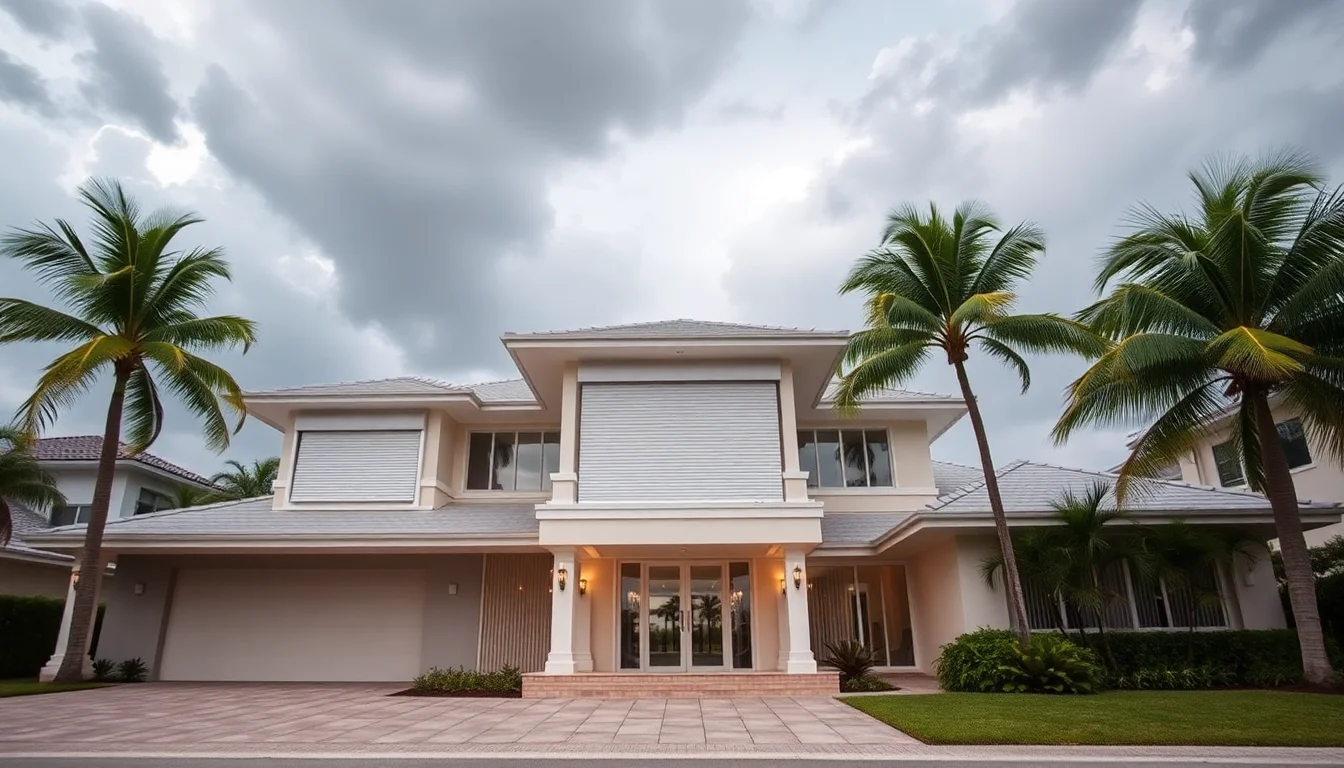

According to the National Hurricane Center, Miami-Dade County has experienced 15 major hurricane impacts since 2000, making a comprehensive miami hurricane season checklist for second home owners absolutely critical for property protection. For absentee homeowners, the challenge becomes even more complex when you're hundreds or thousands of miles away during peak storm season from June through November.
Your Miami second home represents a significant investment that requires proactive protection strategies. Unlike primary residences where you can monitor conditions daily, vacation properties need systematic preparation and reliable local oversight to weather hurricane season successfully.
Start your hurricane preparations no later than May 1st, well before the official June 1st season begins. Early preparation ensures you secure necessary supplies and services before demand peaks and prices surge.
Structural Assessments and Repairs: Schedule professional inspections for your roof, windows, doors, and exterior walls. Address any loose shingles, cracked caulking, or compromised seals immediately. Miami's building codes require specific wind resistance standards, but older properties may need upgrades to current hurricane protection requirements.
Document everything with photographs and keep maintenance records organized. Your insurance company will require detailed documentation of your property's condition and any improvements made for hurricane resistance.
Stock your property with hurricane supplies that won't spoil or require maintenance while you're away. Focus on items that protect the structure rather than provisions for riding out the storm, since you won't be present during evacuation orders.
Critical Supply Checklist:
Ensure your generator receives annual maintenance and fuel stabilizer treatment. Test the system monthly during hurricane season, even when you're not in residence. Consider having a trusted vendor management service handle these routine equipment checks.
Water damage from burst pipes or flooding causes more long-term property damage than wind in many hurricane scenarios. Knowing exactly where and how to shut off utilities can prevent catastrophic internal flooding when you can't be there personally.
Water System Protection: Locate your main water shutoff valve and ensure it operates smoothly. Many Miami properties have shutoffs near the street, but older homes may require a water meter key tool. Test the valve quarterly and apply lubricant if it sticks.
Install an automatic water shutoff system if your budget allows. These devices detect unusual water flow patterns and shut off supply automatically, providing protection even when the property sits vacant for months. For properties with pools, ensure your pool equipment is properly secured and electrical connections are protected from water intrusion.
Document utility shutoff locations with clear photos and instructions. Share this information with your home watch service or trusted local contact who can act quickly if evacuation orders are issued while you're away.
Window protection remains the most critical element of hurricane preparation for Miami properties. According to FEMA guidelines, protecting windows and doors prevents the internal pressurization that leads to roof failure during hurricanes.
Shutter Installation Timeline: Begin installing hurricane shutters when the National Weather Service issues a Hurricane Watch for Miami-Dade County, typically 48 hours before expected impact. Waiting until a Hurricane Warning (36 hours) often means dealing with dangerous wind conditions during installation.
If you use removable shutters, store them in your garage or storage area with each piece clearly labeled for its corresponding window. Include installation tools and hardware in waterproof containers. Consider upgrading to permanent accordion shutters or impact-resistant windows for properties you can't reach quickly during storm threats.
Proper documentation becomes crucial when filing hurricane damage claims from a distance. Insurance companies require specific evidence and timelines that are difficult to manage when you're not physically present at the property.
Essential Documentation Package: Create both physical and digital copies of your homeowner's insurance policy, flood insurance documents, and recent property appraisal. Store physical copies in a waterproof safe on the property and upload digital versions to cloud storage accessible from anywhere.
Establish a clear emergency contact hierarchy that includes your insurance agent, property manager, trusted neighbors, and reliable contractors for emergency repairs. Share this list with your hurricane preparedness service provider so they can coordinate immediate response if damage occurs.
Review your insurance coverage annually before hurricane season begins. Many policies have specific requirements for hurricane claims, including time limits for filing and mandatory mitigation efforts that affect your coverage.
Professional home watch services provide systematic hurricane preparation that follows established protocols rather than relying on emergency scrambling when storms threaten. This proactive approach protects your investment more effectively than reactive measures.
Comprehensive Storm Preparation Protocol: Experienced home watch professionals begin monitoring weather patterns in early June, tracking potential threats well before they impact South Florida. They maintain detailed property-specific checklists that cover your home's unique vulnerabilities and protection requirements.
When hurricane watches are issued, professional services immediately begin securing outdoor furniture, installing shutters, checking generator fuel levels, and documenting property conditions with timestamped photographs. This documentation proves invaluable for insurance claims and provides you peace of mind knowing your property is properly protected.
During the storm, professional home watch services evacuate safely but return as soon as conditions allow to assess damage and begin emergency mitigation. They coordinate with contractors for immediate repairs, document damage thoroughly, and keep you informed throughout the process. This immediate response often prevents minor damage from becoming major claims.
The investment in professional arrival and departure management becomes particularly valuable during hurricane season, when last-minute travel changes and evacuation orders can disrupt your planned visits to secure the property personally.
Begin hurricane preparations by May 1st, well before the official June 1st season start. Early preparation ensures you secure necessary supplies and contractor services before demand peaks and availability becomes limited.
Yes, shut off electricity, water, and gas utilities when evacuating. This prevents electrical fires, water damage from burst pipes, and gas leaks that can occur during storms. Know the locations of all shutoff valves before hurricane season begins.
Permanent accordion shutters or impact-resistant windows work best for second homes since they don't require installation during each storm threat. If you use removable shutters, store them on-site with clear labeling and installation instructions.
Hire a professional home watch service that specializes in hurricane preparation. They'll monitor weather patterns, secure your property according to established protocols, and provide immediate post-storm assessment and damage mitigation.
Maintain current homeowner's and flood insurance policies, recent property appraisals, and pre-storm condition photographs. Store copies both physically on-site in waterproof containers and digitally in cloud storage for remote access during claims processes.