Ready to talk?
Get in touch

How Humidity Damages Vacant Homes in Miami: A Property Owner's Guide
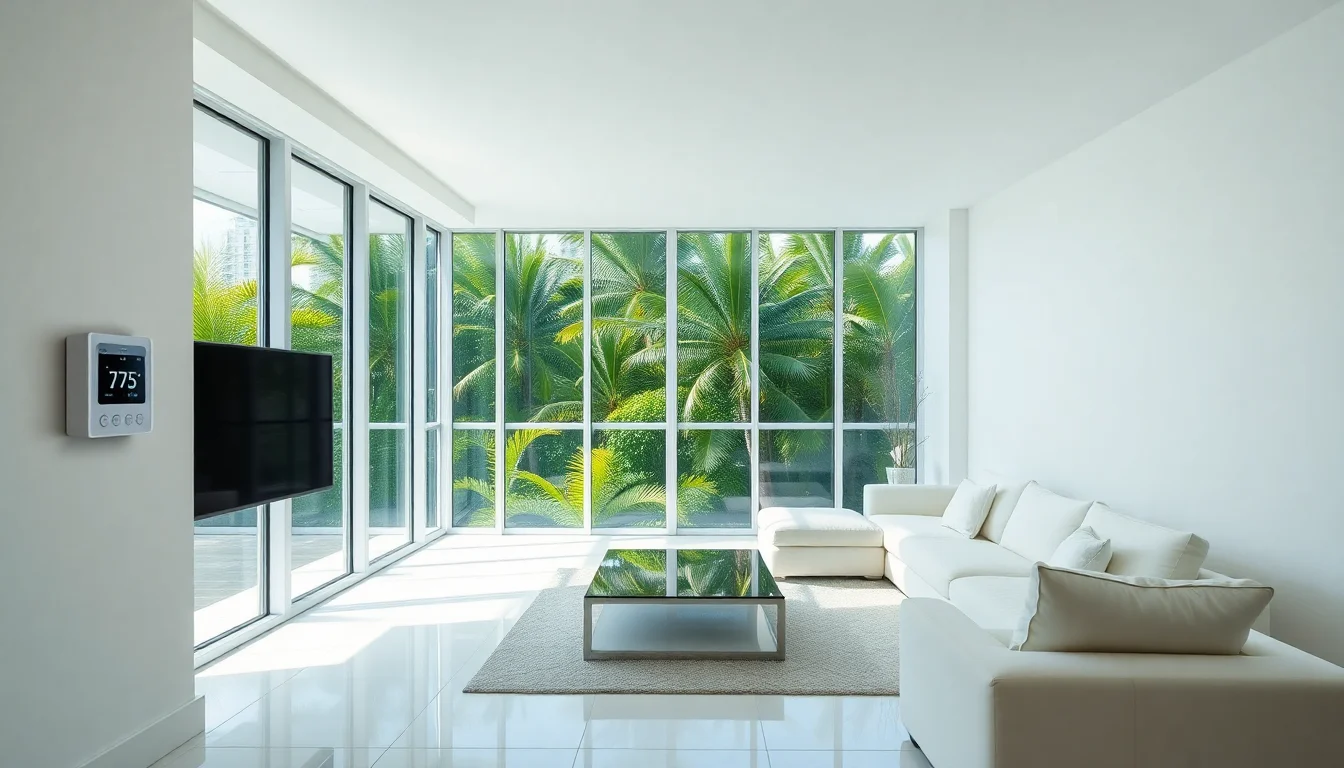

Miami's average humidity levels exceed 75% year-round, making it one of the most challenging climates for vacant property maintenance in the United States. Understanding how humidity damages vacant homes in Miami is crucial for property owners who leave their investments unoccupied for extended periods. Without proper monitoring and climate control, moisture infiltration can cause thousands of dollars in damage within just a few months.
Vacant properties face unique challenges because they lack the daily air circulation, temperature regulation, and moisture management that comes with regular occupancy. When combined with Miami's subtropical climate, these conditions create the perfect storm for property deterioration.
The financial impact extends beyond immediate repair costs. Insurance claims, decreased property values, and potential health hazards make humidity control a critical investment for any Miami property owner planning extended absences.
Miami's location between the Atlantic Ocean and Everglades creates a perpetually moisture-rich environment. The city experiences relative humidity levels that rarely drop below 60%, even during the 'dry' winter months. During summer, humidity regularly peaks above 90%, especially during the overnight hours when temperatures drop but moisture remains trapped in the air.
This constant moisture creates several interconnected problems for vacant homes. First, warm air holds more moisture than cool air, so when humid outdoor air enters a property and encounters air conditioning or cooler indoor surfaces, condensation forms immediately. Second, without regular door opening, window operation, or HVAC cycling, this moisture has nowhere to escape.
The combination of high outdoor humidity and minimal indoor air circulation creates what building scientists call a 'moisture reservoir' - essentially turning your vacant property into a giant humidor. Professional mold and humidity monitoring becomes essential to prevent this scenario from developing.
Mold spores exist everywhere in South Florida's environment, but they need three conditions to proliferate: moisture, warmth, and organic material. Vacant Miami homes provide all three in abundance. When indoor humidity levels exceed 60% for more than 48 hours, mold colonies can establish themselves on virtually any organic surface.
The most dangerous aspect of mold in vacant properties is that it grows in hidden areas first. Behind drywall, inside HVAC ducts, under flooring, and within ceiling cavities, mold can spread extensively before visible signs appear. By the time property owners notice musty odors or visible growth, remediation costs often reach five figures.
Common mold hotspots in vacant Miami properties include bathroom walls, kitchen cabinets, closets, and any areas where plumbing runs through walls. The Environmental Protection Agency estimates that mold remediation in humid climates costs 40% more than in dry climates due to the aggressive nature of growth patterns.
Beyond mold, sustained high humidity causes significant structural damage to vacant properties. Wood components absorb moisture from the air, leading to warping, swelling, and eventual rot. Hardwood floors are particularly vulnerable, with gaps appearing between boards as wood expands and contracts with humidity fluctuations.
Metal fixtures and appliances suffer from accelerated corrosion in high-humidity environments. Door hinges, faucets, electrical outlets, and HVAC components develop rust and corrosion that compromises both function and safety. In coastal Miami properties, salt air compounds this problem exponentially.
Paint and drywall deterioration occurs rapidly in humid vacant homes. Paint begins peeling from walls and ceilings as moisture penetrates the surface. Drywall paper backing provides an ideal food source for mold while simultaneously losing structural integrity from moisture absorption. Professional vendor management helps coordinate repairs before minor issues become major renovations.
Many property owners make the costly mistake of completely shutting off HVAC systems in vacant homes to save on utility costs. However, this decision often results in repair bills that far exceed any energy savings. Without active dehumidification, Miami properties can reach 85-95% relative humidity within days.
Air conditioning systems don't just cool air - they actively remove moisture through the condensation process. When these systems remain off for extended periods, humidity levels spike dramatically. Additionally, stagnant air in HVAC ducts becomes a breeding ground for mold and bacteria.
The optimal approach involves maintaining indoor humidity between 45-55% year-round, which typically requires running air conditioning at higher temperatures (78-80°F) rather than completely shutting systems off. According to the Department of Energy, this strategy prevents humidity damage while keeping utility costs manageable.
High humidity often masks more serious water intrusion problems in vacant properties. Small leaks from plumbing fixtures, roof damage, or window seals go unnoticed for months when no one is present to observe warning signs. The existing high humidity environment camouflages the additional moisture from these sources.
Common leak sources in vacant Miami properties include toilet seals, supply line connections, and roof penetrations from aging caulk or flashing. Even minor leaks can introduce gallons of water weekly, creating localized areas where humidity approaches 100%. These conditions accelerate all forms of moisture damage exponentially.
Regular property inspections through comprehensive Miami home watch services identify these issues before they compound existing humidity problems. Early detection of water intrusion prevents the cascading damage that occurs when multiple moisture sources combine.
Effective humidity control in vacant Miami properties requires a multi-layered approach combining mechanical systems, regular monitoring, and proactive maintenance. The first priority involves maintaining HVAC operation at appropriate levels year-round, with programmable thermostats set to maintain 78-80°F and relative humidity below 55%.
Dehumidifiers provide additional moisture control, particularly in areas like basements, closets, and bathrooms where air circulation is limited. Whole-house dehumidifiers integrated with HVAC systems offer the most comprehensive solution, while portable units can address specific problem areas.
Regular air circulation prevents moisture stagnation even when properties remain vacant. This includes running ceiling fans periodically, opening interior doors to promote airflow, and ensuring HVAC systems cycle regularly rather than remaining completely inactive.
Property owners who spend significant time away from their Miami homes benefit enormously from professional monitoring services that specialize in humidity control and moisture management. These services provide regular property visits, HVAC system monitoring, and immediate response to developing moisture problems.
Professional monitoring includes checking humidity levels throughout the property, inspecting for signs of water intrusion, testing HVAC system operation, and identifying potential problem areas before damage occurs. Advanced monitoring systems can even provide real-time alerts when humidity levels exceed safe thresholds.
The cost of professional monitoring services proves minimal compared to major humidity damage remediation. A single mold remediation project can cost $15,000-30,000, while comprehensive humidity monitoring and prevention typically costs a fraction of that amount annually. Quality second home management incorporates humidity monitoring as a core service component.
Maintain indoor humidity between 45-55% year-round to prevent mold growth and material damage. Miami's outdoor humidity often exceeds 75%, making active dehumidification essential for vacant properties.
Mold colonies can establish within 48-72 hours when humidity exceeds 60%. In Miami's climate, visible mold growth often appears within 1-2 weeks in optimal conditions.
Never turn off AC completely in vacant Miami properties. Instead, set thermostats to 78-80°F to maintain humidity control while minimizing energy costs. The utility savings from shutting off AC rarely offset humidity damage costs.
Humidity damage repairs in Miami typically range from $5,000-30,000 depending on severity. Mold remediation alone averages $15,000-25,000 for whole-house treatment, making prevention far more cost-effective than remediation.
Portable dehumidifiers help but cannot replace HVAC system dehumidification in Miami's extreme humidity. Whole-house dehumidifiers integrated with existing HVAC systems provide the most effective control for vacant properties.